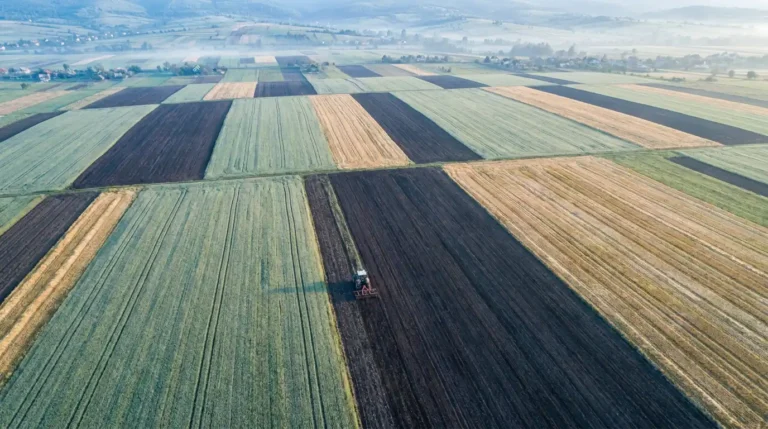
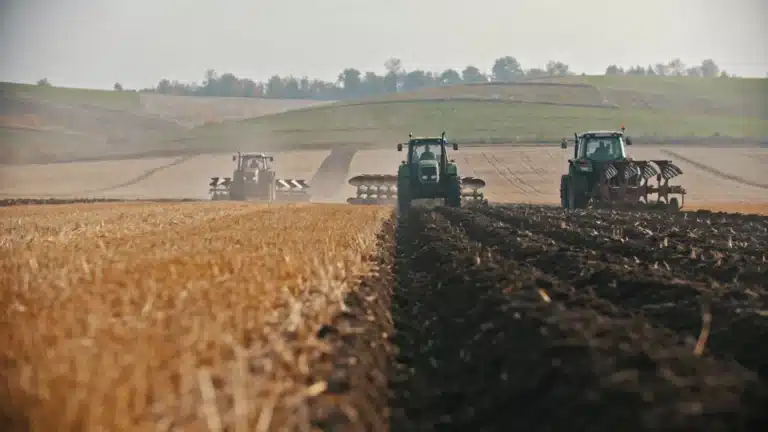
Western Ukraine lives by a different calendar from the steppe. Spring arrives 7–14 days later, there is more rainfall, the soils are heavier and take longer to reach workable condition, and the window for each operation is narrower. Here the problem is rarely “no moisture” — instead it’s constantly “we can’t get into the field”.
This calendar has been put together for 9 regions — Volyn, Rivne, Lviv, Ternopil, Khmelnytskyi, Ivano-Frankivsk, Chernivtsi, Zhytomyr and Vinnytsia. The dates are approximate: the decision is always made based on soil temperature and field condition, not the date on the calendar.
The main rule of the west: count windows, not dates
Delaying sowing by even 5 days reduces yield by 7–10%. In the western regions this is critical, because rain often limits the real window for one operation to 5–8 working days instead of two weeks in the steppe.
The practical conclusion: machinery and people must be ready before the window opens, not at the moment it opens. A farm that starts looking for a contractor when the field is already ready consistently loses 5–10 days — the same 7–15% of the yield.
Month-by-month field work calendar
February — March: coming out of winter
- Inspecting winter crops. Taking soil-and-plant samples, assessing overwintering, counting plant density. Before deciding on re-sowing.
- First nitrogen top-dressing of winter crops — on frozen-thawed ground, as soon as the field can bear machinery. The earliest operation of the season, a 5–10 day window.
- Preparing machinery and crop protection products. The last moment when you can plan calmly.
March — early April: sealing in moisture and early spring crops
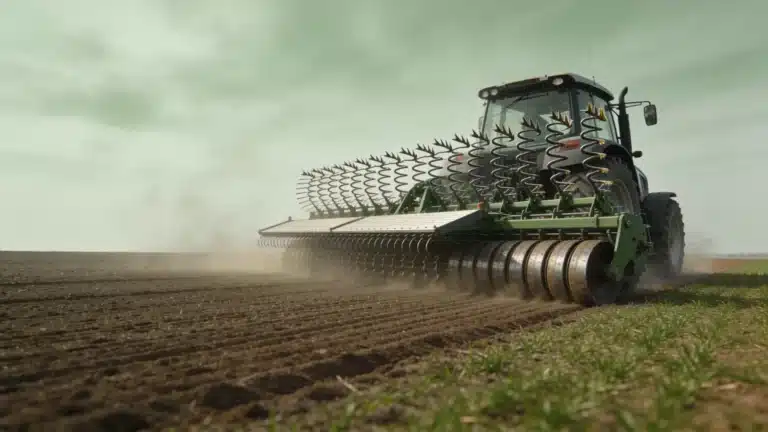
The first operation, as soon as the soil is workable — sealing in moisture by harrowing or shallow cultivation. Being 2–3 days late costs moisture that won’t come back until the end of May.
| Crop | soil t at 10 cm | Seeding depth |
|---|---|---|
| Spring barley, spring wheat | +2…+3 °C | 4–6 cm (6–8 cm when sown late) |
| Peas | +2…+3 °C | 4–7 cm on heavy soils, 6–10 cm with a dry top layer |
| Oats | +2…+4 °C | 3–5 cm |
| Spring rapeseed | +4…+6 °C | 2–3 cm |
Early spring crops are sown “on the first days you can drive onto the field”. There’s no optimal week here — there’s the first suitable day.
April: the main window for sowing row crops
| Crop | soil t at 10 cm | Depth | Approximate dates (west) |
|---|---|---|---|
| Sunflower | 8–10 °C (10–12 °C on weedy fields) | 6–8 cm | from the last ten days of April |
| Maize | 10–12 °C (cold-tolerant hybrids 7–9 °C) | 4–5 cm on loams, 6–8 cm on sandy loams | end of April — early May |
| Soybean | +10…+14 °C | 4–5 cm (heavy soils 3–4 cm) | May |
| High-oleic sunflower | 8–12 °C | up to 10 cm | May |
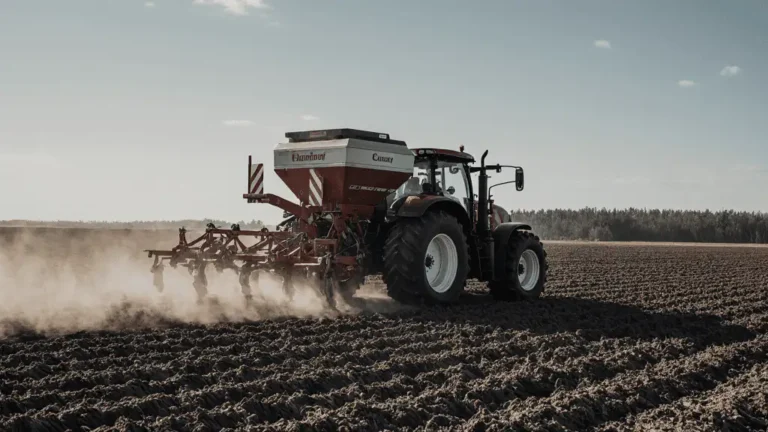
April is the month when sowing and tillage compete for the same machinery. In the western regions this is the main reason agronomic deadlines are missed: the seed drill stands idle because the tractor is still sealing in moisture on another field.
April — May: protection and nutrition
- Herbicide protection of winter crops — before stem elongation.
- Second top-dressing of winter crops, often combined with crop protection products.
- Soil-applied herbicides on row crops — a 2–5 day window after sowing, critically dependent on rain.
- First fungicide treatments. In the humid west the fungicide pressure is higher than in the centre — 3–4 treatments instead of 2.
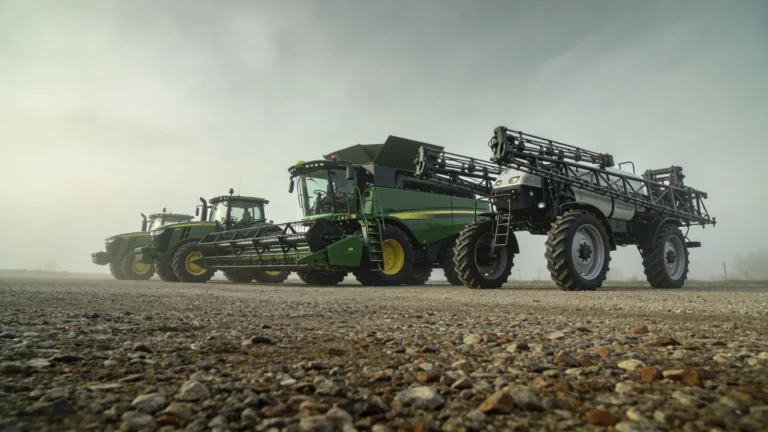
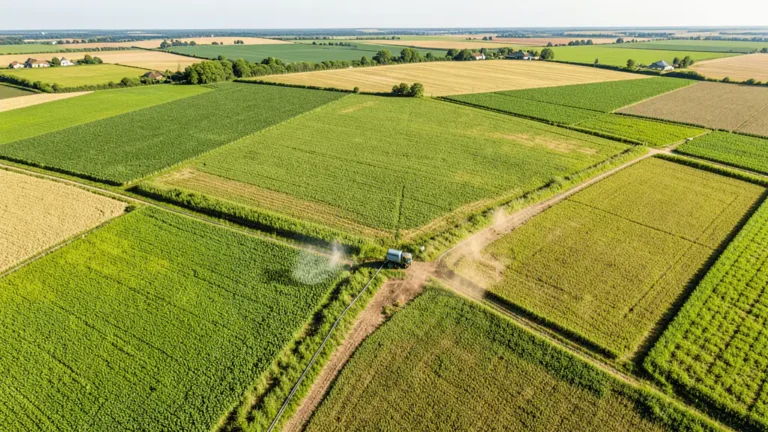
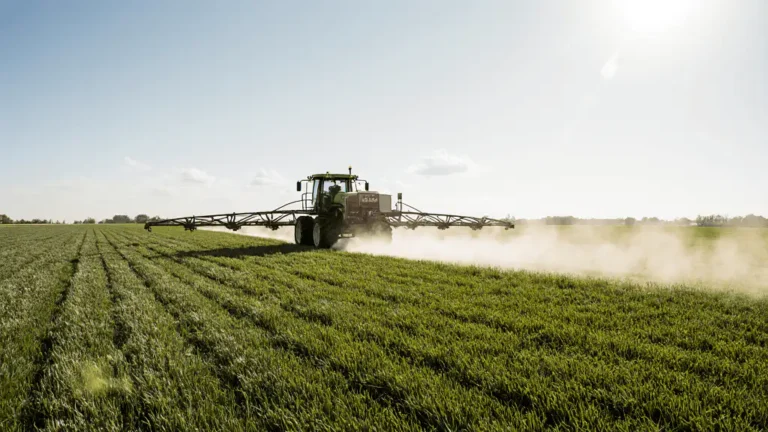
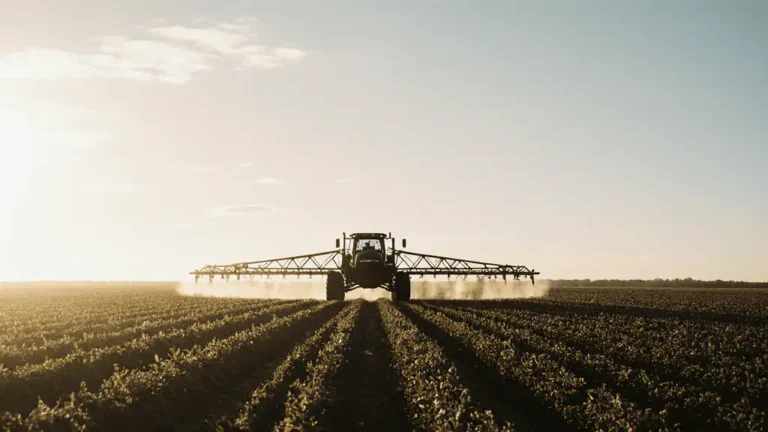
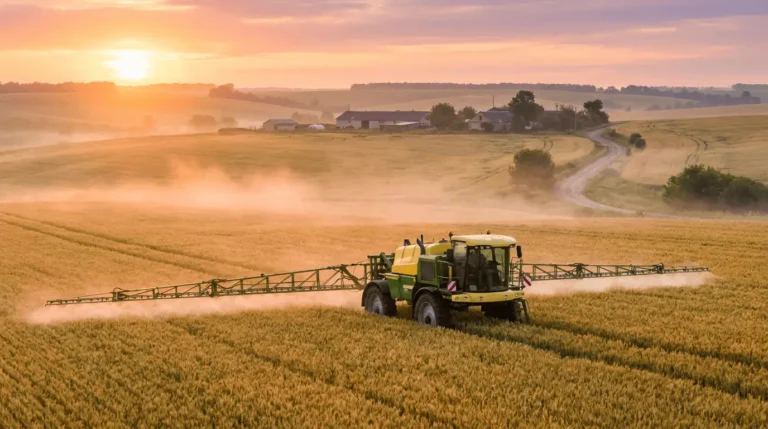
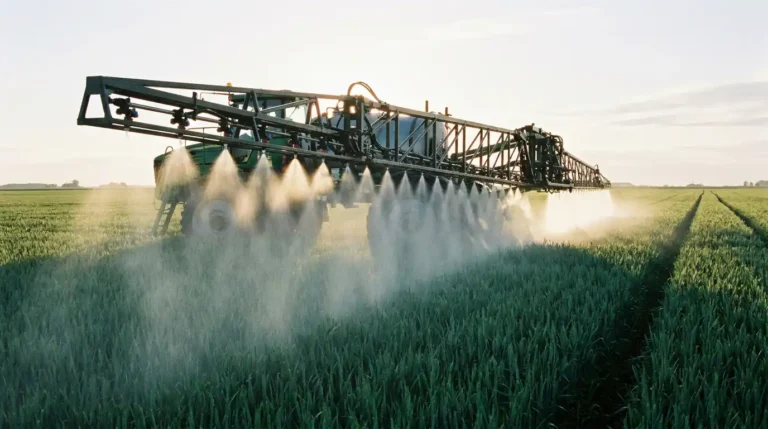
Spraying — the most “window-dependent” operation of the season: it needs no rain, wind below 3–4 m/s and the right crop stage all at once. In reality that’s 2–4 suitable days a week.
June — July: crop care and preparing for harvest
- Fungicide treatments at heading, control of diseases and pests.
- Foliar feeding.
- Desiccation (if needed) — used more often in the western regions because of high grain moisture.
- Overhaul of combines and grain logistics — by 10 July.
July — August: harvesting early cereals
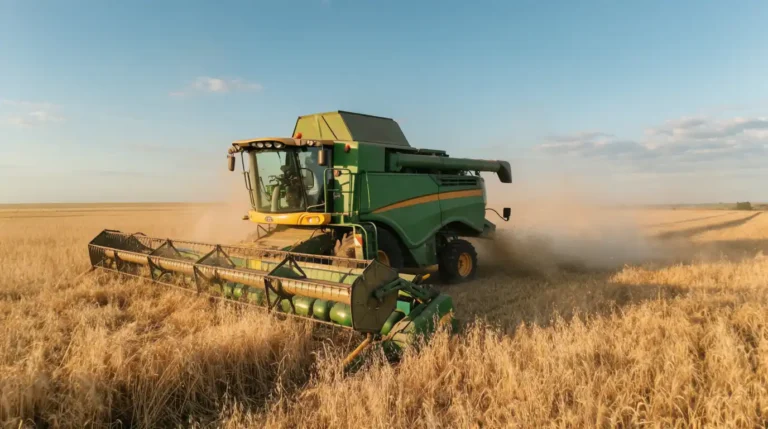
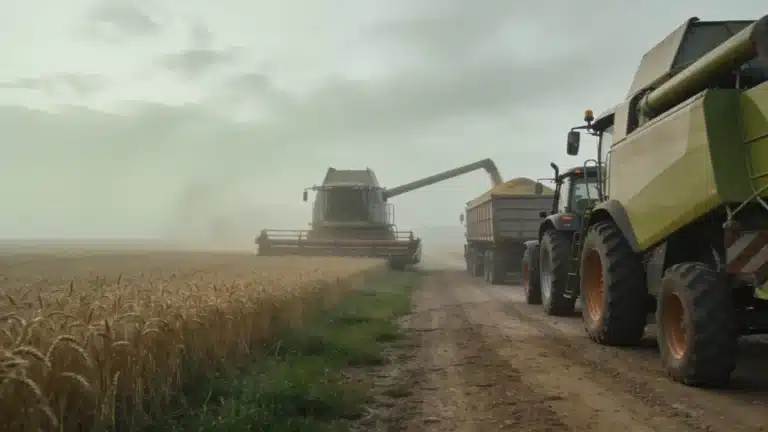
Harvesting winter wheat, barley and rapeseed. A feature of the west is short, unstable weather windows: crops are harvested “between rains”, often with higher grain moisture and a need for drying.
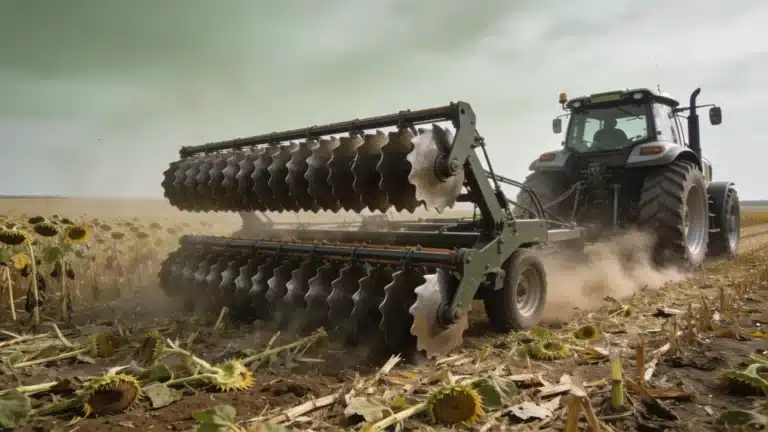
Right behind the combine — stubble cultivation. Every day of delay means lost moisture and sprouted weeds that will have to be removed with herbicide in autumn.
August — September: primary soil tillage
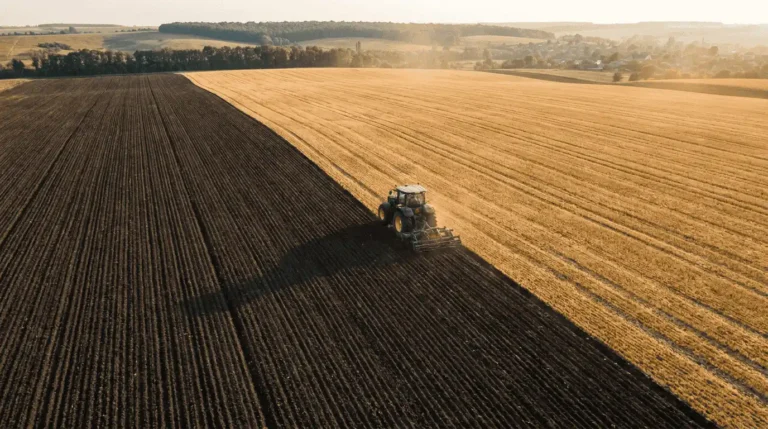
The busiest month in terms of machinery power. All at the same time:
- disking and stubble cultivation;
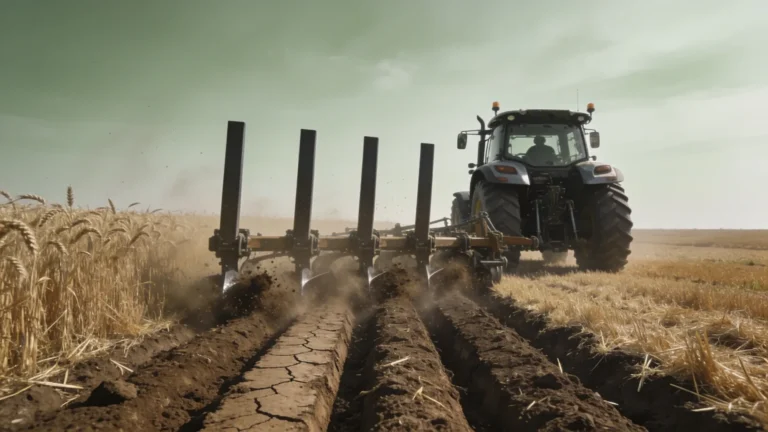
- deep loosening — breaking up the plough pan, critical on heavy western soils;
- ploughing for spring crops;
- basal fertilizer application for winter crops;
- pre-sowing cultivation.
September — October: sowing winter crops
Recommended sowing dates for winter wheat in the western regions:
| Region | Optimal timing |
|---|---|
| Volyn | 9–20 September |
| Rivne | 9–25 September |
| Lviv | 9–25 September |
| Ternopil | 9–20 September |
| Khmelnytskyi | 9–20 September |
| Ivano-Frankivsk, Chernivtsi | approximately 15–30 September, adjusted for altitude |
| Zhytomyr, Vinnytsia | 15 September — 5 October |
The general guide for most farms is 25 September — 5 October, with an average daily air temperature of 14–17 °C. Winter rapeseed is sown earlier — in the second half of August.
This is the most acute machinery shortage of the whole year: the same 10–15 days cover both sowing winter crops and finishing primary tillage. Contractors for this period are booked up 3–4 weeks ahead.
October — November: closing the season
- Harvesting maize, sunflower, soybean and sugar beet.
- Autumn herbicide protection of winter crops.
- Autumn ploughing and deep tillage on fields for spring crops.
- Application of organic and phosphorus-potassium fertilizers.
December — January: the only quiet period
The time when decisions cost least: overhauling machinery, calculating the cost per hectare, contracts with contractors for the next season, buying crop protection products and seed at lower prices.
Summary table: what to do when
| Month | Key operations | Window width |
|---|---|---|
| February–March | Top-dressing winter crops, crop inspection | 5–10 days |
| March | Sealing in moisture, sowing early spring crops | 7–12 days |
| April | Sowing row crops, herbicides on winter crops | 10–20 days |
| May | Sowing soybean, soil-applied and rescue herbicides, fungicides | 2–4 days a week |
| June | Fungicides, insecticides, foliar feeding | 2–4 days a week |
| July–August | Cereal harvest, stubble cultivation | Weather-dependent |
| August–September | Primary tillage, fertilizer application | 3–5 weeks |
| September–October | Sowing winter crops | 10–15 days |
| October–November | Harvesting late crops, autumn ploughing, autumn herbicides | 3–5 weeks |
Three mistakes that cost the most in the west
Going by the calendar, not by the soil
A date in the table is the regional average over many years. Soil temperature at 10 cm is measured in a specific field, and fields 20 km apart can differ by 3–4 days.
Planning machinery with no margin
A calculation based on rated output doesn’t account for rain. The realistic bar in the west is 60–70% of the rated output per shift.
Looking for a contractor when the window opens
In peak periods — April and the second half of September — there’s no free machinery on the market. You need to agree 3–6 weeks in advance.
The second and third mistakes come down to one decision — keeping your own fleet or working with a contractor. To compare the options in figures, see the cost of tilling a hectare with your own machinery vs a contractor , and before signing — the field work contract checklist , where reserving the work window is set out separately.
Frequently asked questions
When should spring field work start in the western regions?
The first operation is top-dressing winter crops on frozen-thawed ground, usually in the second half of February — March. Sealing in moisture and sowing early spring crops start as soon as the soil is workable and warms up to +2…+3 °C at a depth of 10 cm, usually in the second half of March.
When should winter wheat be sown in the Lviv, Volyn and Ternopil regions?
Volyn, Ternopil and Khmelnytskyi regions — 9–20 September, Lviv and Rivne — 9–25 September. For most farms the optimum shifts to 25 September — 5 October, when the average daily temperature holds at 14–17 °C.
How much does missing agronomic deadlines cost?
Delaying sowing by 5 days cuts yield by 7–10%. With a wheat yield of 6 t/ha that’s 0.4–0.6 t/ha — more money than the entire cost of the sowing service.
Why are work windows narrower in the west?
More rainfall and soils that are heavier in texture. After rain a field takes longer to become workable, and there are fewer dry periods. So machinery achieves only 60–70% of its rated output here
How far in advance should a contractor's machinery be booked?
For peak operations — sowing spring crops in April, primary tillage and sowing winter crops in September — 3–6 weeks ahead. For spraying and fertilizer application 1–2 weeks is enough, provided there is an annual contract in place.
Plan your season in advance
WESTER works in 9 western and central regions and covers the full cycle of field work with our own machinery fleet. We draw up a schedule around your agronomic deadlines in advance — so the machinery is in the field on the first suitable day, not a week after it.
Tell us your area, the list of work and your location — we’ll prepare a schedule and a cost estimate for the season.