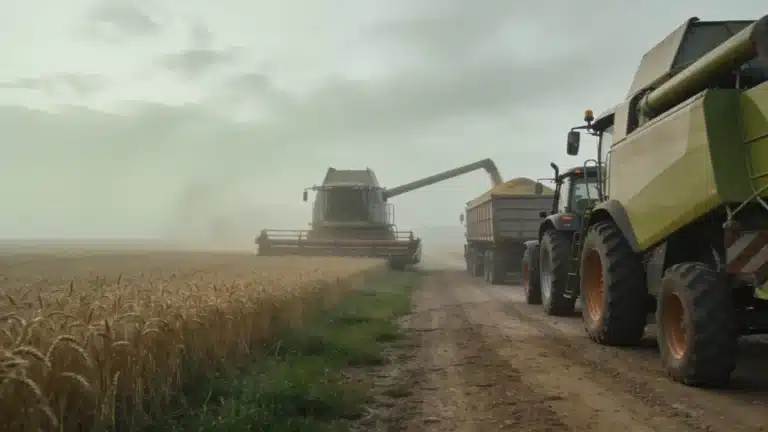
For the contractor’s machinery to go out into the field on time and not stand idle, the farm needs to agree the area and timing in advance, send the field outlines, check access roads, mark obstacles and prepare transport or crop protection products. Below is the full checklist.
- Agreement2–3 weeks before
- Access and boundariesa week before
- Transport and productsbefore departure
- Acceptancework certificate
The most expensive thing in a contractor’s work is not the hectare but downtime. A combine waiting for a grain truck or a sprayer standing without water for the solution means hours lost in the agronomic window. Most of this downtime can be eliminated before the machinery even leaves the base.
Interactive preparation checklist
Tick items off as they are ready — your progress is saved in the browser, so you can come back later.
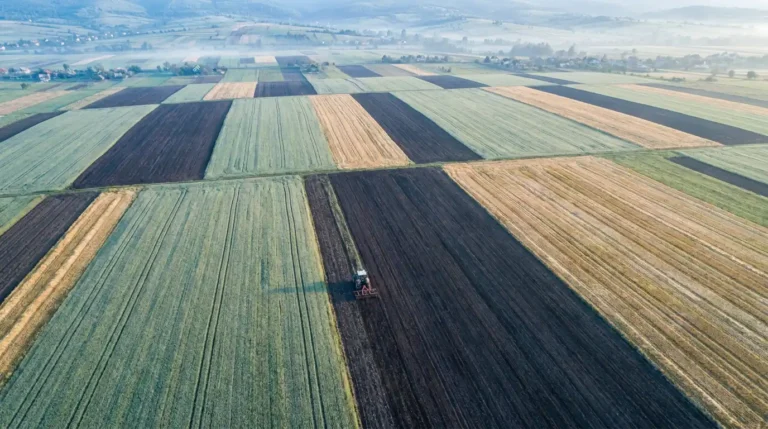
Send us the area and outlines — we will agree the date the machinery goes out.
Leave a requestWhat to agree with the contractor before departure
This determines which machines and how many of them will come.
Cadastral numbers or points on a map — for the route between fields.
When work can start and the date by which it must be finished.
Payment per hectare, what the price includes, how actual hectares are recorded.
- the width of field roads and bridges — a combine with its header on a trailer takes up the whole road
- the height of power lines over the access road and in the field
- fords, ditches, weak bridges
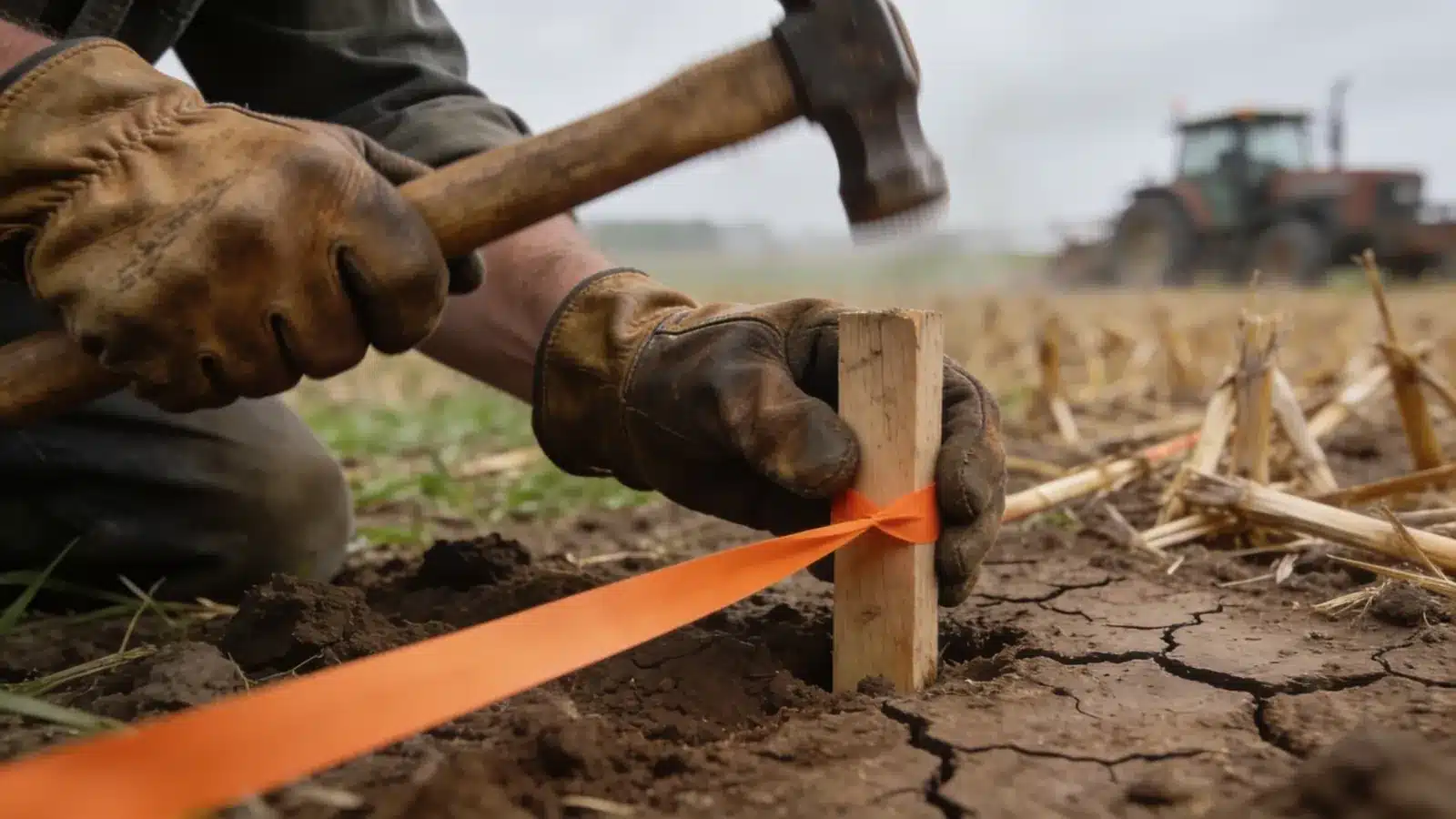
- stones, holes, poles, drainage wells — mark them with stakes
- boundaries with neighbours, so as not to go onto someone else's field
Stakes with bright tape are visible from the cab even in dust. It's better to also mark obstacles on a map and give it to the operator.
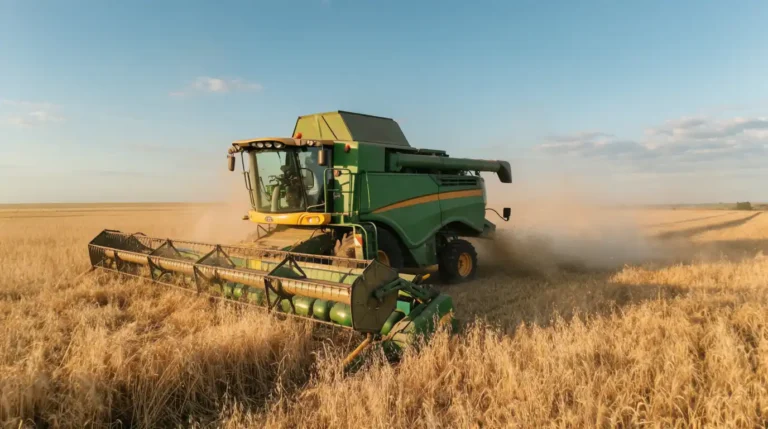
Harvest: transport for the grain
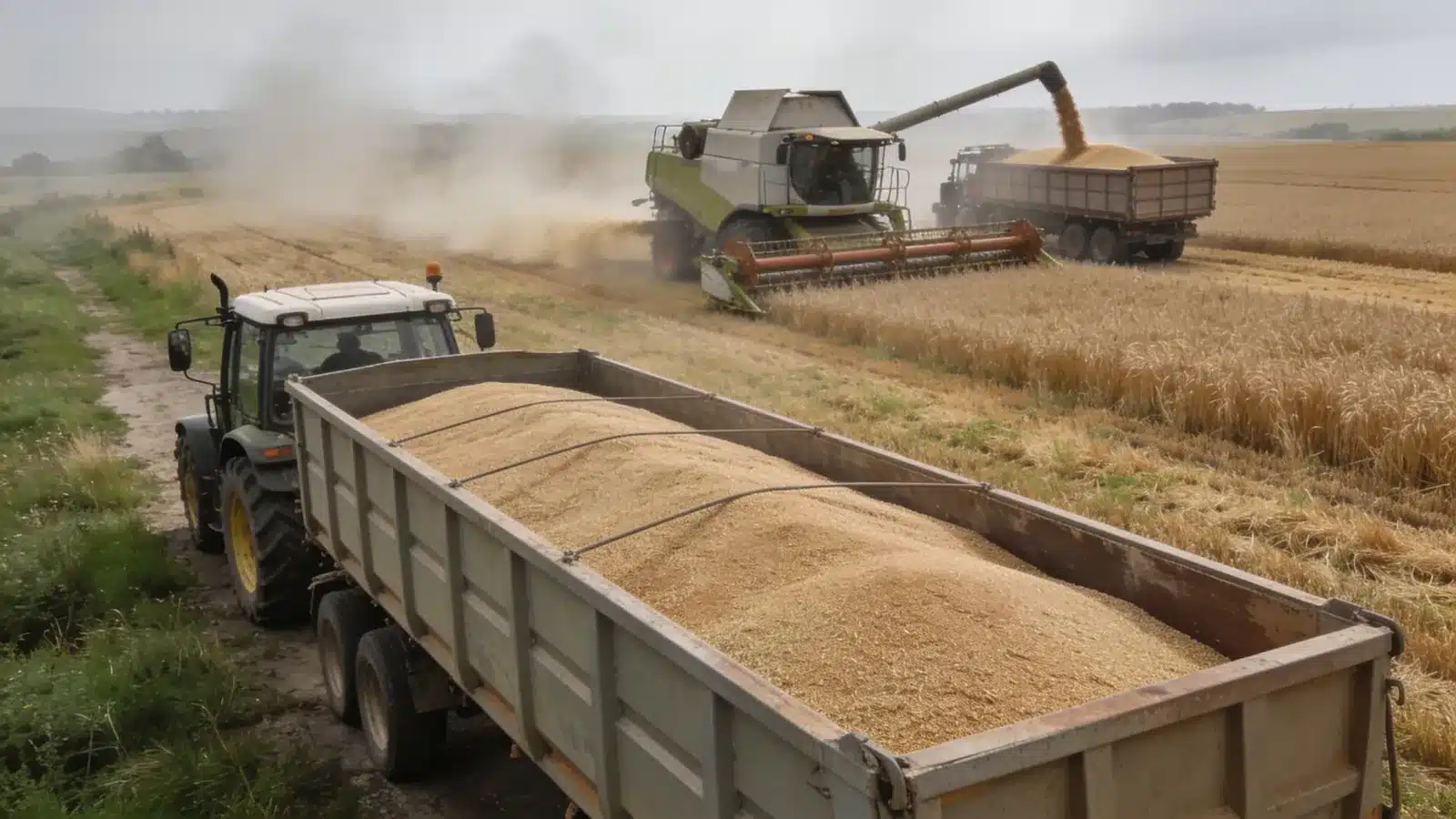
Transport for hauling the grain is on the client's side. How many trucks are needed depends on yield, body capacity and the distance to the grain yard. If there are too few trucks, the combine stands with a full grain tank — the most expensive downtime of the harvest.
The higher it is, the more often it unloads
With a high yield the combine's grain tank fills up much faster.
Distance to the grain yard
The further the grain yard, the more trucks are needed so that one is always waiting by the field.
One truck always at the field
While one is hauling grain, another should be standing at the field edge ready for unloading.
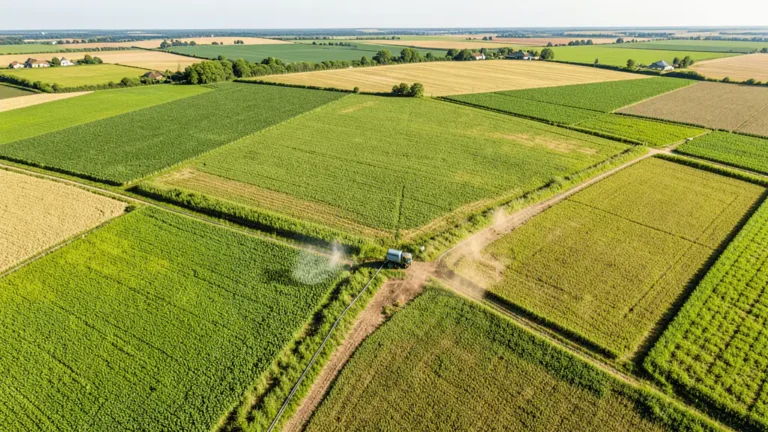
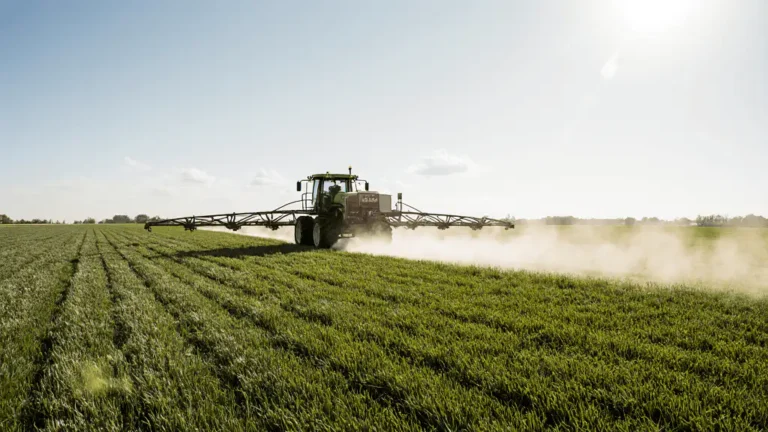
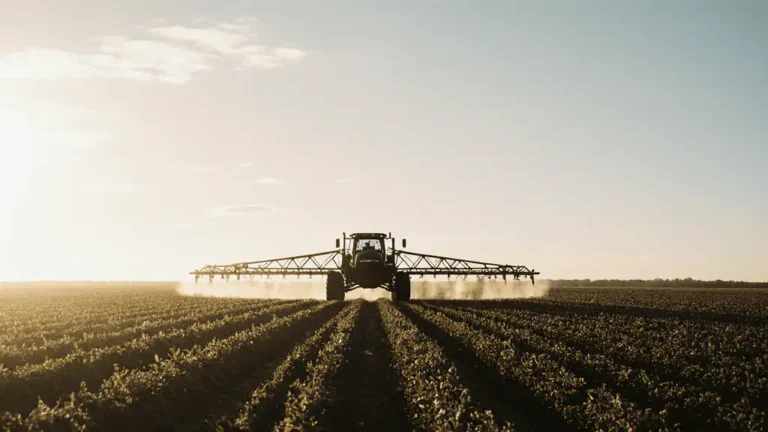
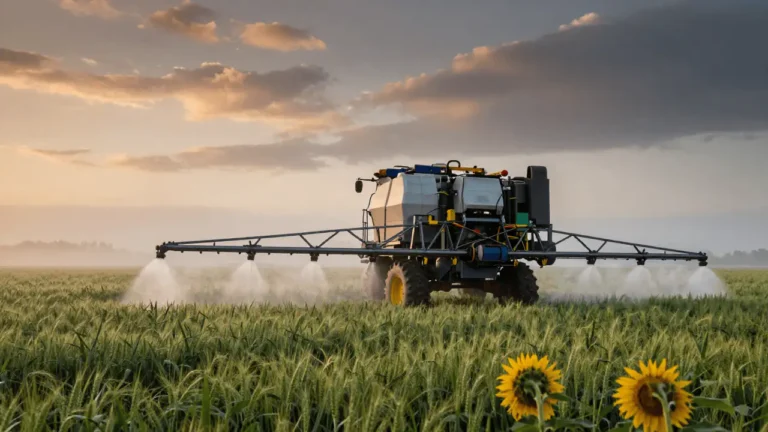
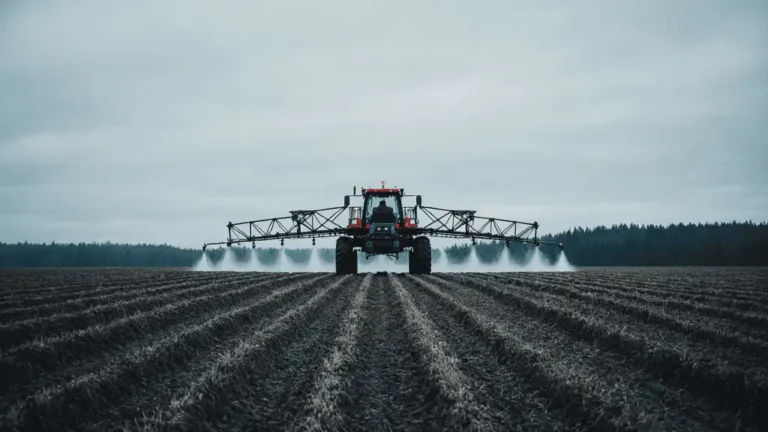
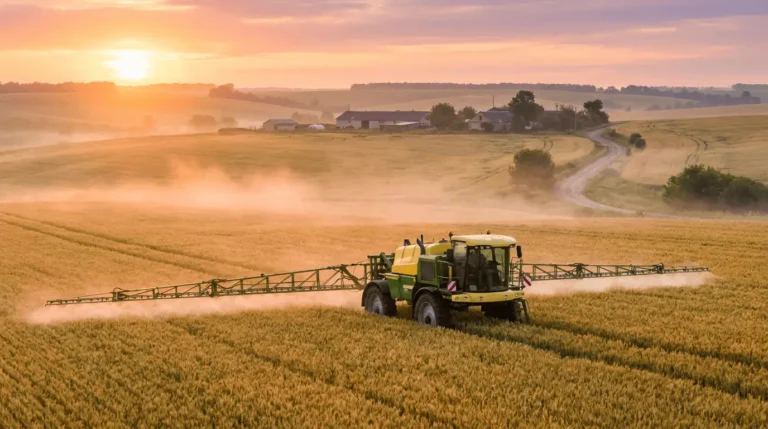
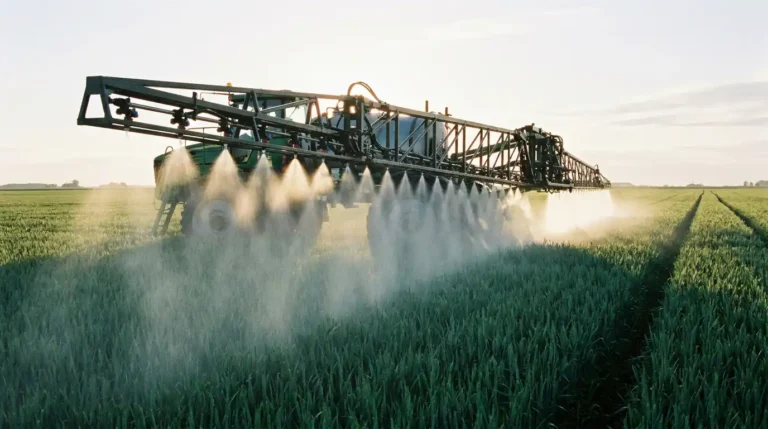
Spraying and fertilizer application
- products or fertilizers — in the field or nearby
- water for the solution and a refilling spot
- a crop plan: rates, tank mix
- the weather forecast for the work days
- the product is “on its way” after the machinery has already arrived
- no water nearby — refilling takes hours
- rates not agreed — the operator waits for the agronomist
- wind or rain in the window — the work is postponed
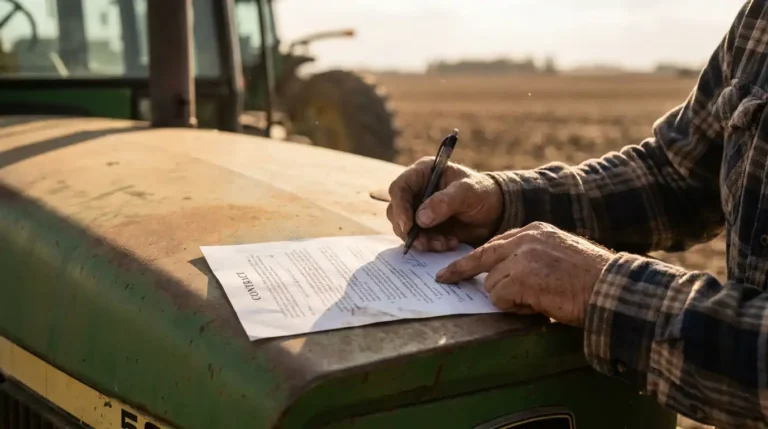
Acceptance of work
Someone from the farm is in touch throughout the work and can resolve issues on the spot.
Quality of the work, misses, field edges and headlands — before the machinery leaves.
You agree how hectares are counted: by the field outline or by the machine's track.
Actual hectares and figures go into the certificate; payment per hectare worked.
Questions and answers
How do you prepare a field for a contractor's machinery?
Agree the area, crop and timing, send the field outlines, check access roads, mark obstacles in the field, prepare a parking spot and transport or products — depending on the type of work.
Who provides transport for grain at harvest?
Usually the client. The number of trucks depends on yield, body capacity and the distance to the grain yard — it's worth agreeing before the combine goes out.
How are hectares counted in the certificate?
By the area actually worked. The method — by field outline or by machine track — is agreed before work starts.
Do obstacles in the field need to be marked?
Yes. Stones, holes, poles and drainage wells are best marked with stakes with bright tape and noted on a map — this saves both machinery and time.
How far in advance should machinery be booked?
Ideally 2–3 weeks before the work window, and even earlier at the peak of the season: the machinery schedule is booked in advance.
Tillage, sowing, crop protection, fertilizers and harvest — with our own machinery and operator. Fuel and transport included, from 400 ha.
What to check in the contract itself — in the article “What to check in a field work contract: a 14-point checklist”.