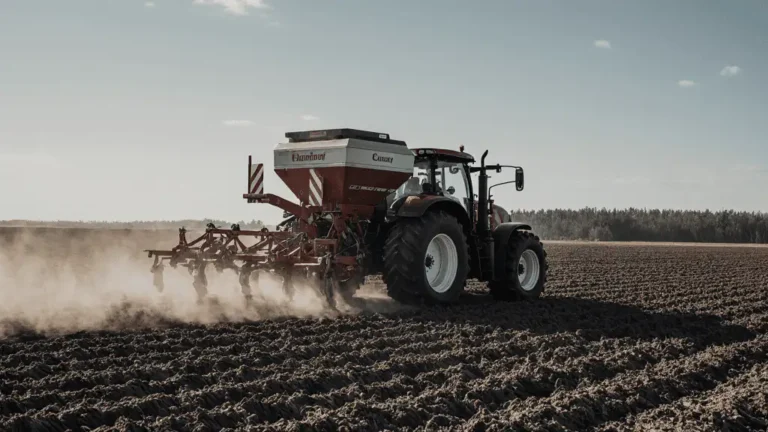
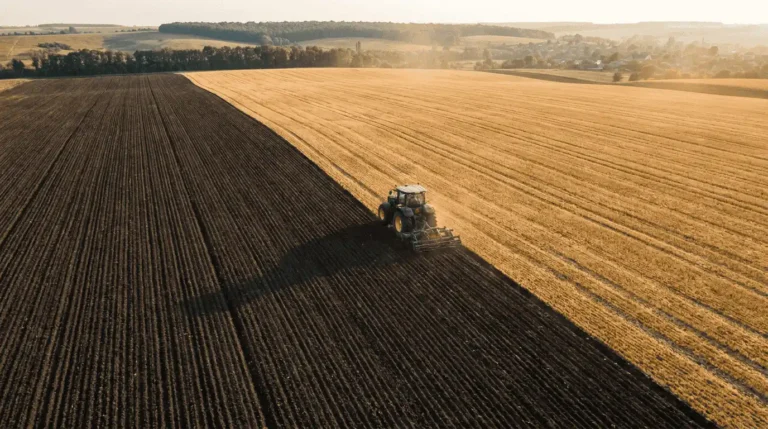
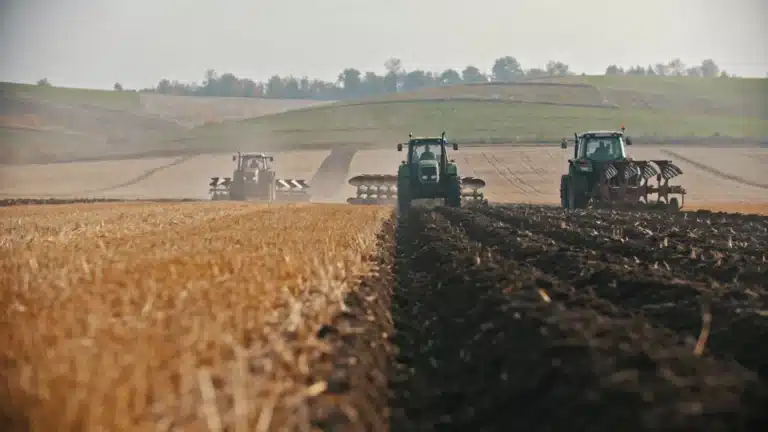
A harrow is an indispensable implement for preparing soil for sowing and caring for fields. It performs important functions such as loosening and levelling the soil, controlling weeds and chopping plant residues. But how do you choose the type of harrow that will suit your farm perfectly?
Types of harrows and what they are for
There are several main types of harrows on today’s market:
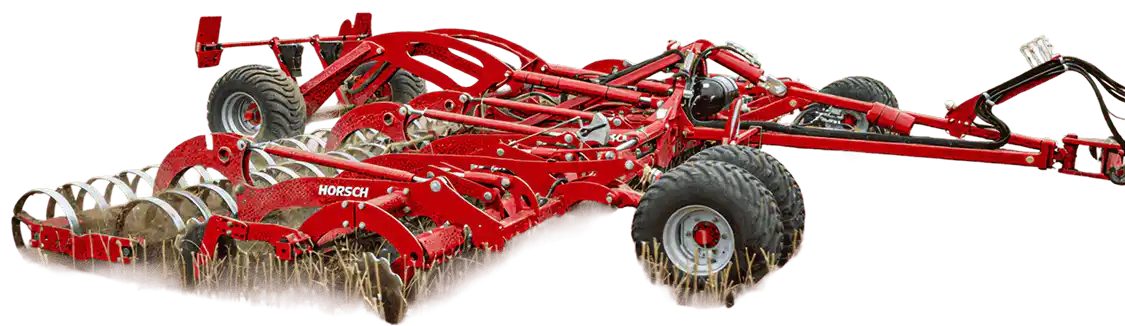
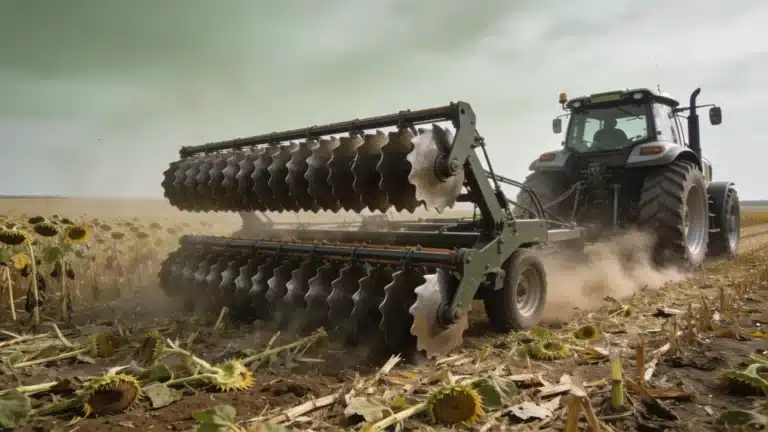
Disc harrow
Ideal for heavy, dense and dry soils. Copes well with plant residues and provides quality tillage over large areas.
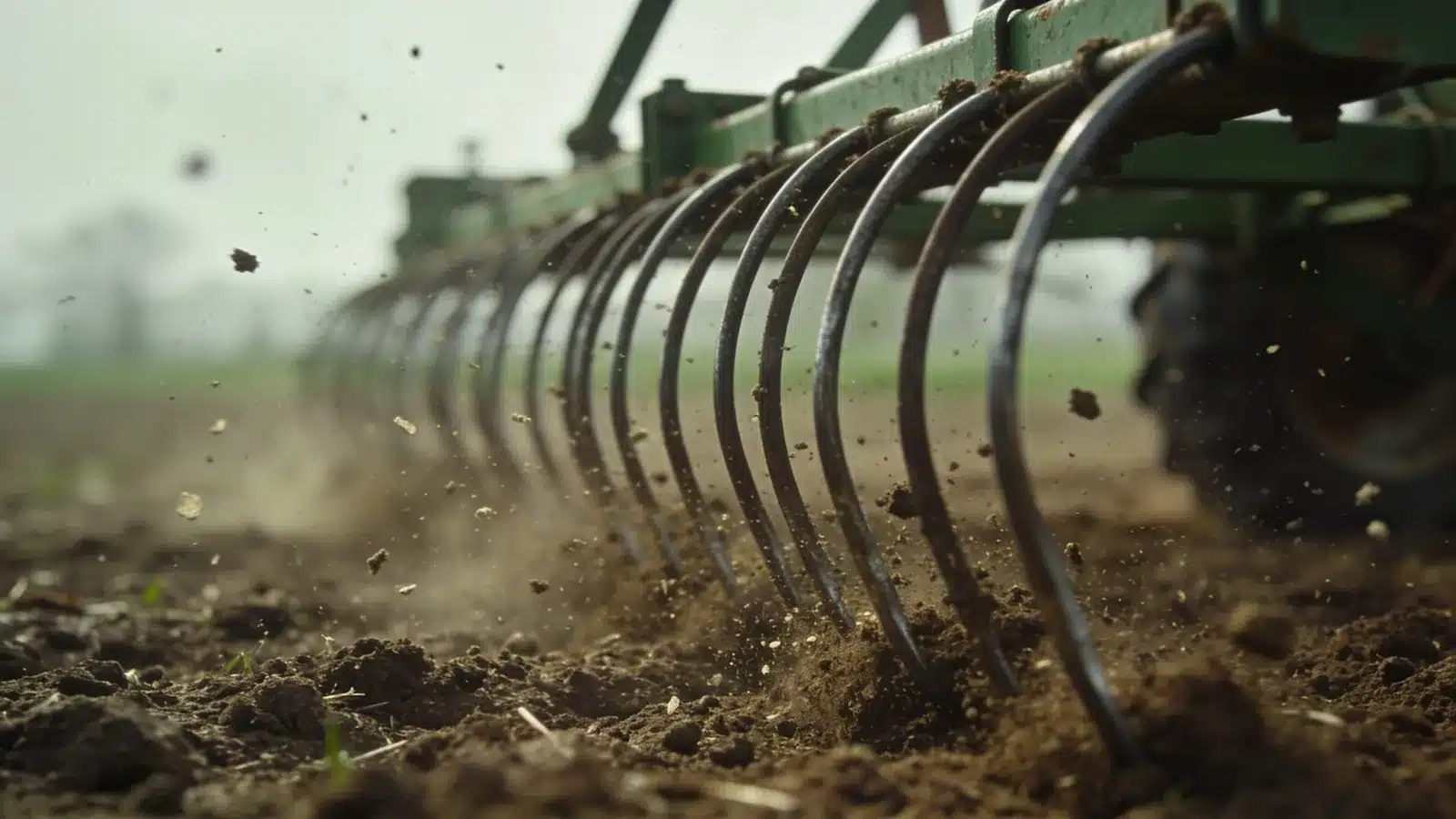
Tine harrow
Used to level the field surface, loosen the top layer of soil and control weeds at early stages.
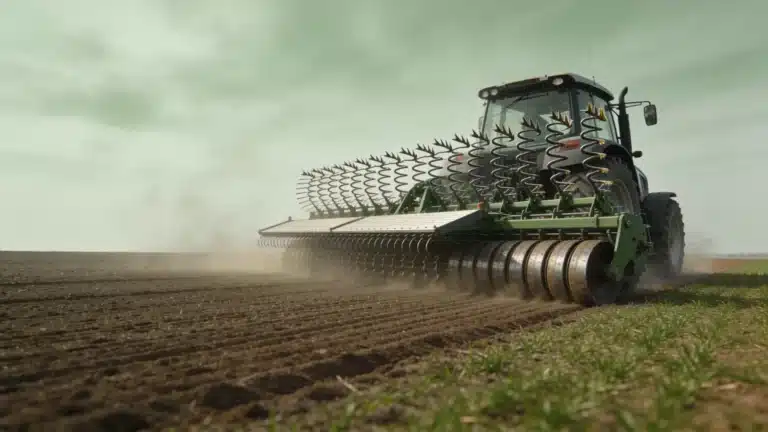
Spring-tine harrow
Effective on light and medium soils; used to destroy weeds and aerate the soil.
Rotary harrow
Ideal for intensive tillage, especially after harvest. It quickly and thoroughly chops plant residues and levels the surface.
What characteristics should you look at when choosing a harrow?
When choosing a harrow, consider these important criteria:
Soil type and crops
Each type of harrow has its advantages depending on the characteristics of the soil and the crops you grow.
Working width
Determines the implement’s productivity. The wider the harrow, the faster the area is worked, but tractor power must be taken into account.
Design and quality of materials
It’s important to choose a harrow with a sturdy frame, quality working parts and the ability to replace parts quickly.
Why does the reliability of the seller matter?
Besides the technical characteristics of the harrow itself, the reliability of the company you buy or rent the implement from plays an important role.
It’s important that the seller can provide quality servicing, warranty support and prompt advice on using the machinery.
Buy or rent a harrow?
If you plan to use a harrow seasonally or want to minimise the initial investment, renting a harrow is the best solution. It gives you a modern implement without significant capital investment or maintenance costs.
Choosing the right harrow will significantly improve the efficiency of your farm, cut costs and raise the quality of field work.
A harrow is…
A harrow is a tillage implement for surface tillage of the soil to a depth of 3 to 15 cm. It loosens the top layer, breaks the crust, levels the field, breaks up clods and plant residues and destroys weed seedlings. Unlike a plough, a harrow doesn’t turn the furrow slice but works with tines, discs or needles.
How disc and tine harrows work
Despite the shared name, disc and tine harrows solve different tasks and work at different depths.
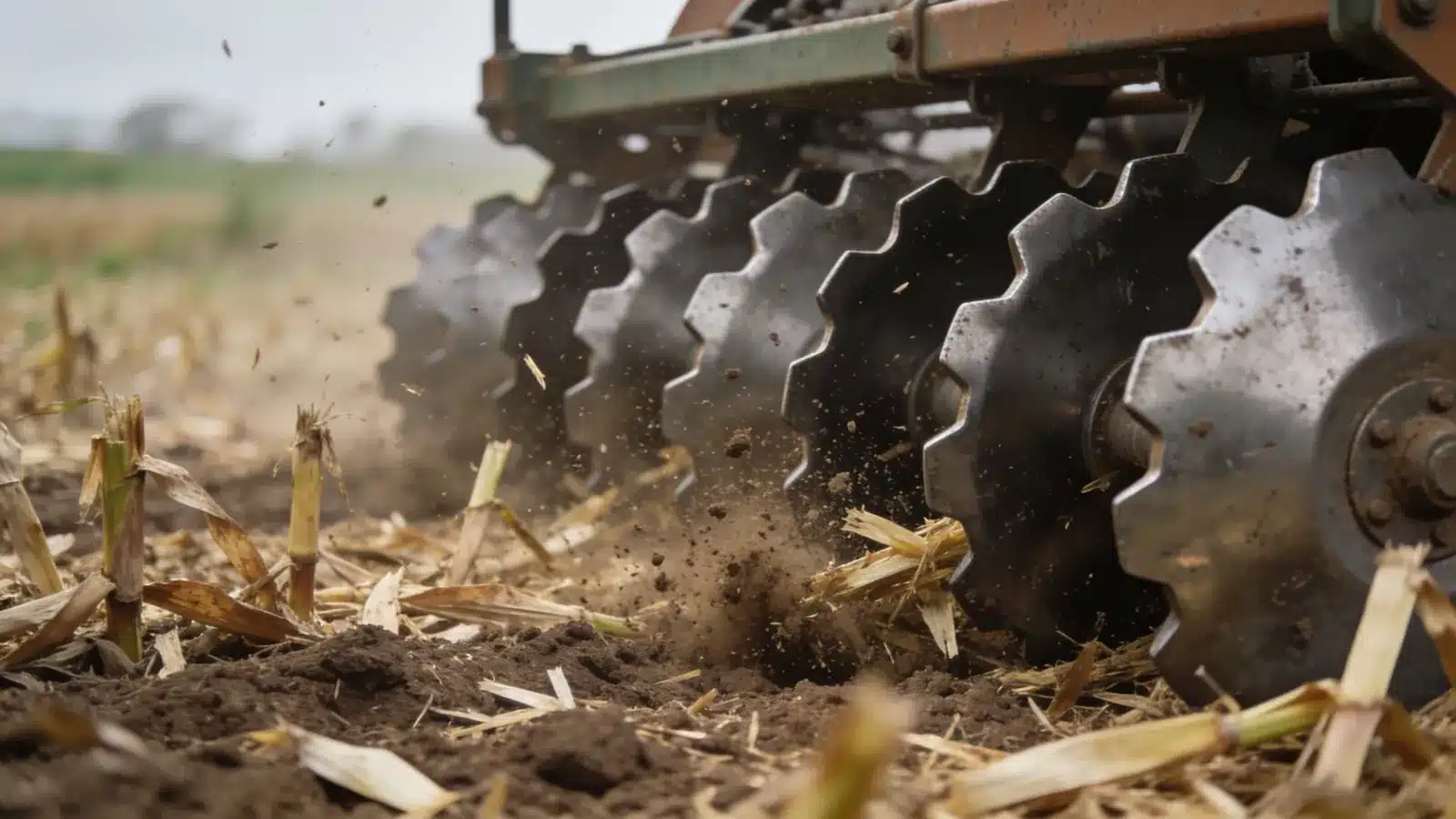
- Discs at an angle of attack cut the soil layer and partly turn it — at 8–15 cm
- Residues are chopped and mixed into the top layer
- Tines go shallow, at 3–5 cm: they loosen and level the surface
- Weed seedlings are combed out, the crust is broken
Which harrow you actually need
Answer three questions and get the type of harrow for your field.
1 / 3 · When are you planning to till?
2 / 3 · How much residue is in the field?
3 / 3 · What is the soil like?
Disc harrow: what affects the quality of work
| Parameter | Value | What it affects |
|---|---|---|
| Disc diameter | 460–660 mm | Larger discs penetrate better and don't clog with maize and sunflower residue |
| Angle of attack | ~12–20° | A larger angle gives more intensive chopping and mixing, but needs more power |
| Disc shape | plain / notched | Notched discs cut stalks better, plain ones mix the soil more evenly |
| Weight per disc | from ~80 kg | A heavy harrow holds depth on dense and dry soil, a light one “bounces” |
When and which harrow is used during the season
A disc harrow right behind the combine — seals in moisture and triggers volunteer germination.
A heavy disc harrow after maize and sunflower — before ploughing or chiselling.
A tine harrow over autumn-ploughed land — levels the field and breaks the crust as soon as the soil allows.
A rotary or light tine harrow on emerged crops — destroys weeds at the “white thread” stage.
Typical mistakes when harrowing
- stubble cultivation — in the first days after harvest
- angle of attack matched to the amount of residue
- second pass at an angle to the first
- a heavy harrow on dense and dry fields
- regular checks of discs and bearings
- stubble cultivation a week or two later — the moisture is already lost
- a light harrow over maize stalks
- working on waterlogged soil — sticking
- too high a speed — ridges and misses
- worn discs — uneven depth
Questions and answers
What is a harrow?
A harrow is an implement for surface tillage at 3–15 cm: it loosens the top layer, levels the field, breaks up clods and residues and destroys weed seedlings. Unlike a plough, it doesn't turn the furrow slice.
How is a disc harrow different from a tine harrow?
A disc harrow works deeper (8–15 cm) and chops and mixes residues into the soil — it's used after harvest. A tine harrow goes shallow (3–5 cm), levels the surface and breaks the crust — it's used in spring and on emerged crops.
Which harrow should you choose after maize?
A heavy disc harrow with large-diameter discs — it cuts thick stalks and doesn't “bounce” over residue. A light harrow on such a field clogs and doesn't hold depth.
When should stubble cultivation be done?
As early as possible — in the first 1–2 days after harvest, before the soil dries out. Then stubble cultivation keeps moisture and triggers germination of volunteers and weeds.
Can a harrow replace ploughing?
Partly. A heavy disc harrow in minimum-tillage systems can replace primary tillage, but it doesn't bury residues and weed seeds as deeply as a plough.
Horsch Joker 6 RT and the heavy Kello-Bilt 225 TSW disc harrow with a tractor and operator. Fuel and transport included, from 400 ha.
A comparison of the harrow with the plough, cultivator and deep loosener is in the article “Soil tillage machinery: types of implements and how to choose”.