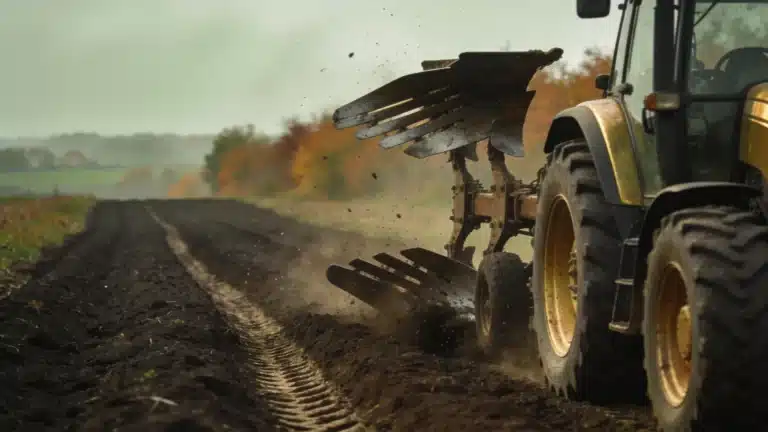
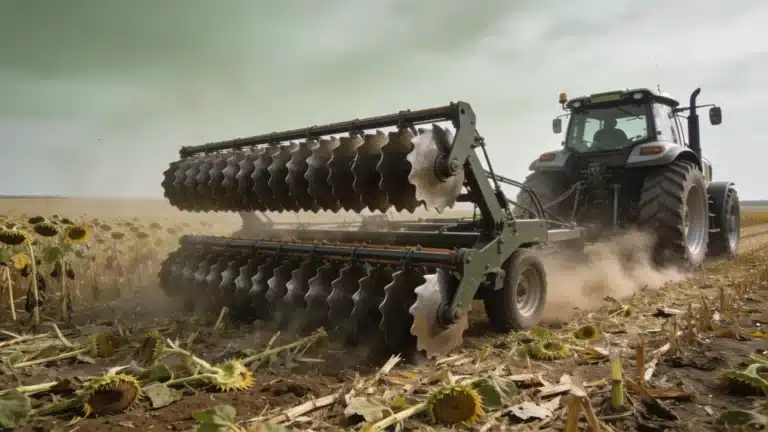
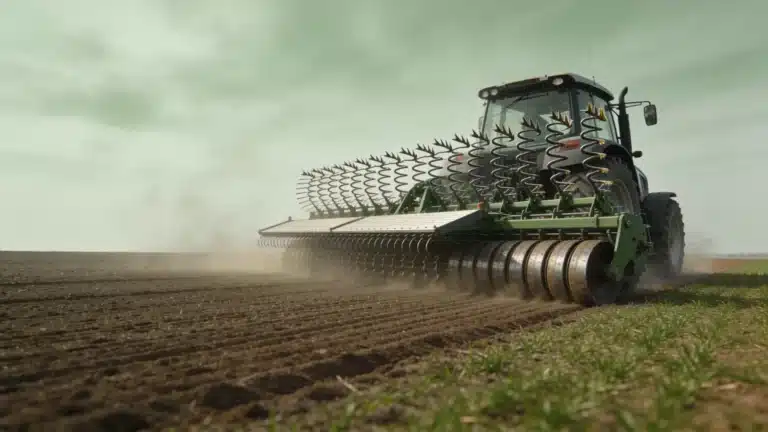
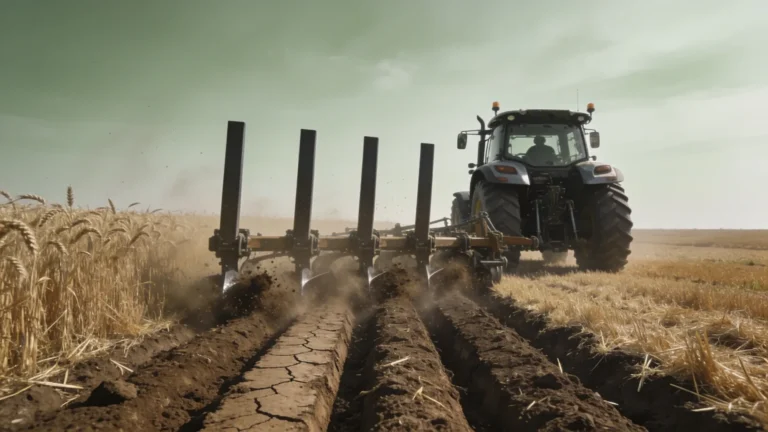
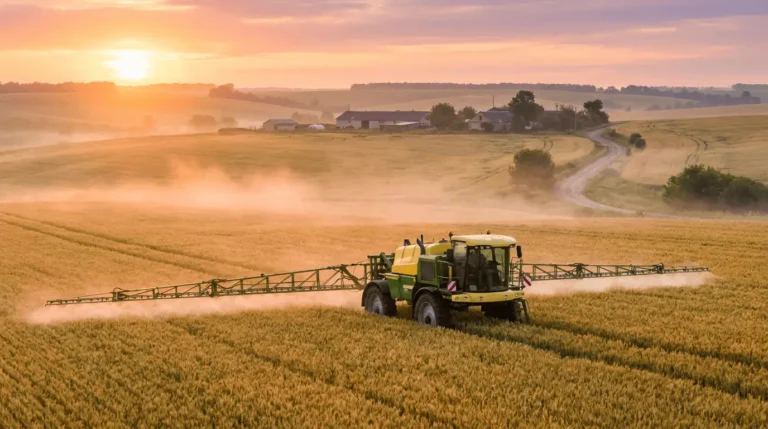
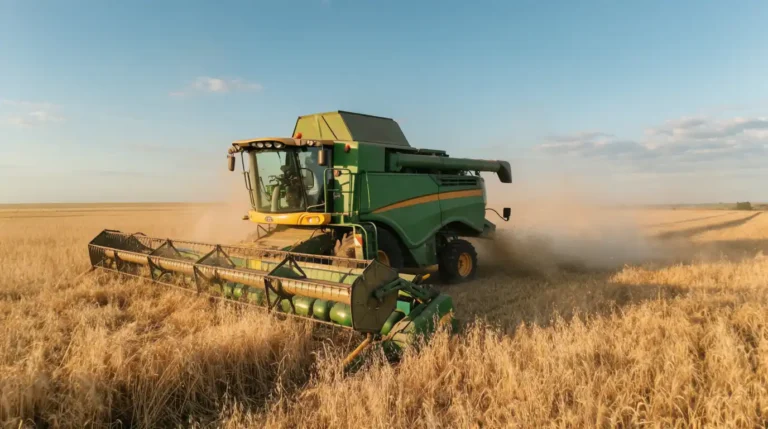
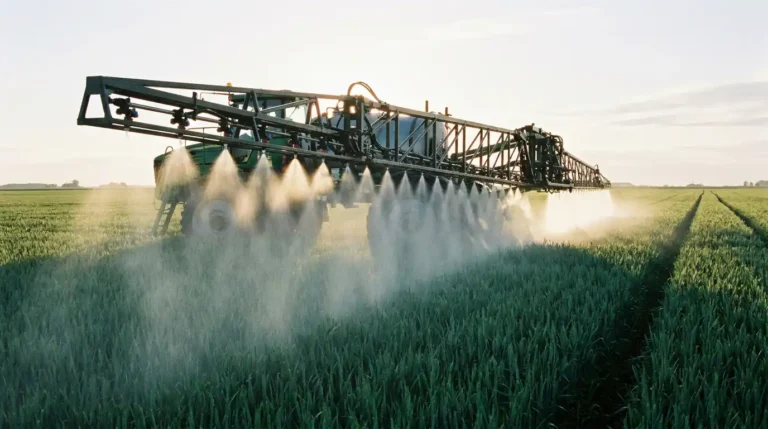
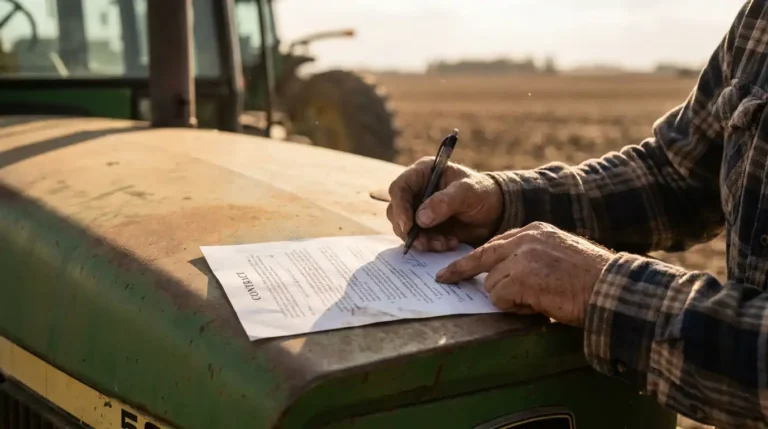
Renting agricultural machinery is becoming an increasingly popular solution for farmers and agricultural businesses. It’s not only a cost-effective way to access modern machinery but also an effective approach to optimising production processes.
Cost savings — the main advantage of renting. Buying machinery requires significant capital investment, as well as servicing and storage costs. Renting lets you avoid these costs, giving you the machinery you need when you need it, without having to worry about its long-term upkeep.
Flexibility of use — another important advantage. You can rent machinery for specific seasonal tasks, which lets you use only the type of machine needed at the moment. This is especially relevant during seasonal work, when buying extra machines may not be justified.
So renting agricultural machinery not only reduces financial risk but also raises productivity thanks to flexibility and minimal upkeep costs.
This task is easy to solve with our company Wester. We offer modern solutions for your business without unnecessary costs!
The main question is how many days a year the machinery works
A combine or a seeding complex is bought for years, but it works in the field for a few weeks. The rest of the time the machinery stands idle, but its costs don’t stop: depreciation, insurance, storage, servicing, the operator’s wages in the off-season. So the “buy or rent” decision starts not with the price but with how busy the machinery will be.
Approximate output of one machine per 12-hour shift: tillage ~60 ha, sowing ~70 ha, spraying ~250 ha, fertilizers ~200 ha, harvesting ~50 ha. Weather downtime isn’t included.
What the cost of owning machinery is made of
The purchase price is only part of the costs. Most of them are fixed: they're the same whether the machinery is working or standing idle.
Machinery loses value every year, regardless of how many hectares it has covered.
Money invested in machinery could be working in the farm's turnover.
A shed, security, insurance — every month, even in winter.
Spare parts, wear parts, service — and downtime if the machine breaks down in season.
A qualified person has to be kept all year, not just in season.
A detailed calculation of the cost per hectare with your own machinery is in the article “Cost of tilling a hectare: your own machinery vs a contractor”.
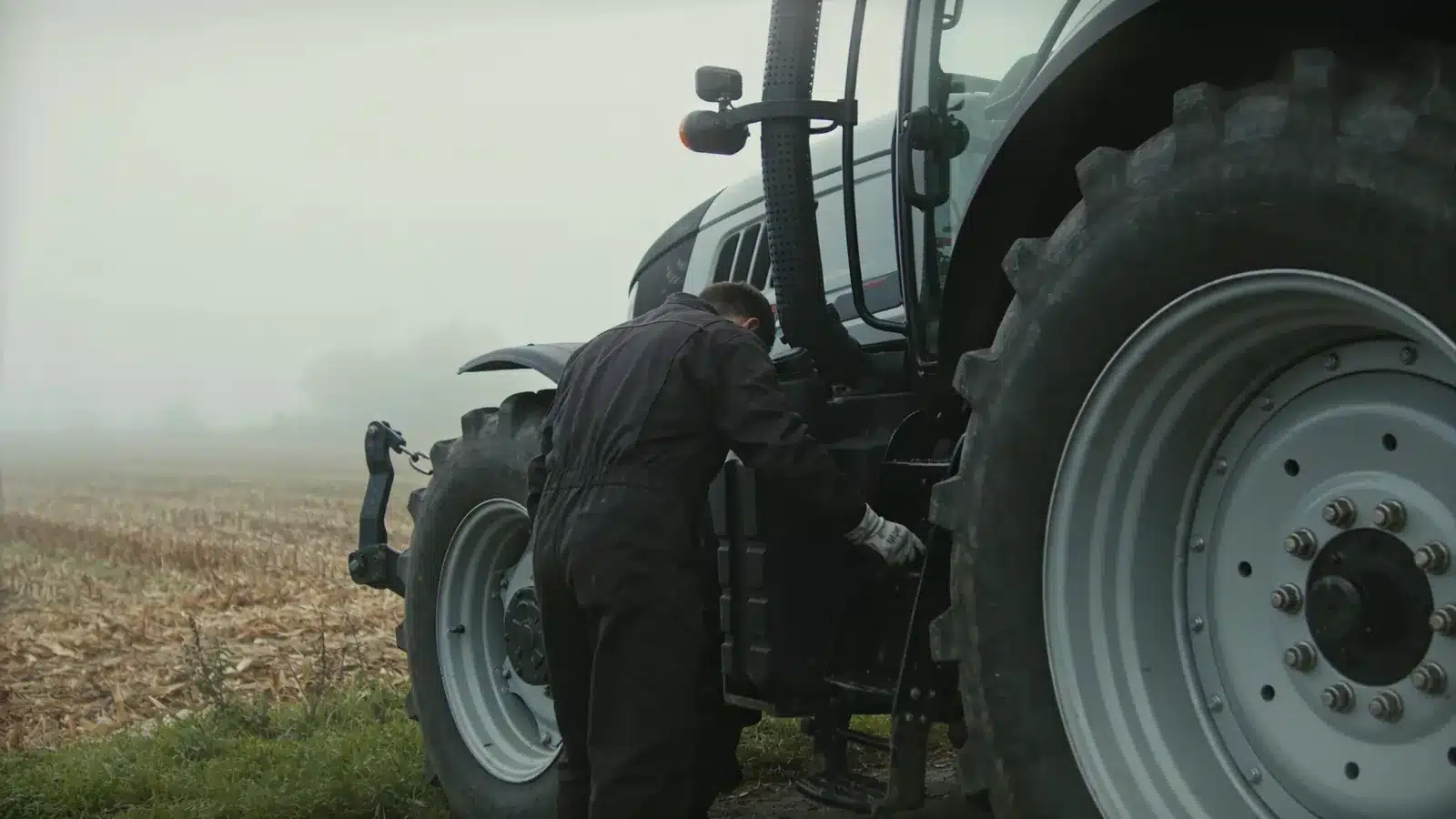
Rental without an operator or a service with an operator
“Machinery rental” in Ukraine means two different formats. Who is responsible for the result in the field depends on your choice.
- you look for a person who knows this machine
- liability for breakdowns is on you
- setup and quality of work are your job
- fuel and transport are usually extra
- the machine arrives with an experienced operator
- setup and quality are on the contractor
- payment per hectare worked
- fuel and transport — included in the price
Wester works only in the service format: the machinery goes out only with our operator.
When renting is better value than buying
The operation is needed once every few years
Deep loosening, liming, field reclamation — buying an implement for such work doesn't pay.
You need to cover the peak of the season
You don't have enough combines or sprayers of your own to fit into the agronomic window.
A new crop or a new technology
You can try precision seeding or a new tillage system without buying machinery.
A small area
Machinery for 300–500 ha stands idle most of the year — renting removes these costs.
Questions and answers
What pays off better — buying or renting farm machinery?
It depends on utilisation. If the machinery works only a few weeks a year, renting with an operator is usually cheaper than keeping your own machine. If utilisation is high and you have your own operators, buying can pay off.
Can machinery be rented without an operator?
Some companies work that way, but Wester doesn't. Our machinery goes out only with an operator who is responsible for the setup and quality of work.
How is rental with an operator paid for?
Per hectare worked. At Wester fuel and transport are already included in the rate.
What is the minimum area for rental?
From 400 ha per visit. Smaller farms can team up with neighbours — one contract, each pays for its own hectares.
What work can be ordered?
Soil tillage, sowing, spraying, fertilizer application and harvesting — separately or as a package for the whole season.
Area, region and type of work — we will quote the rate per hectare and when we can be in your field.