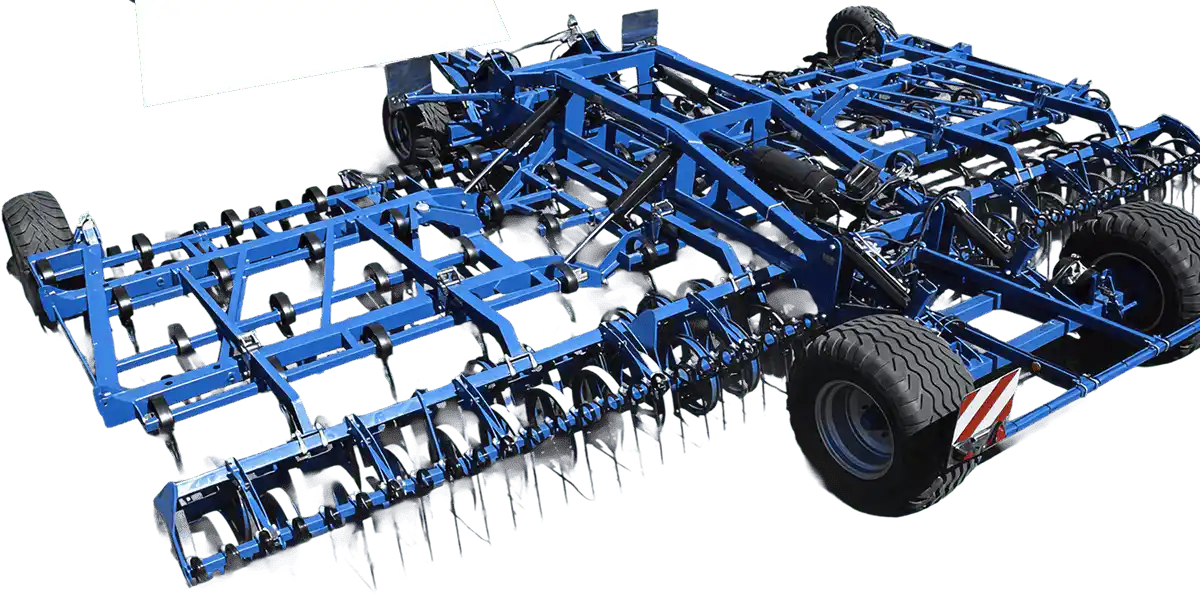
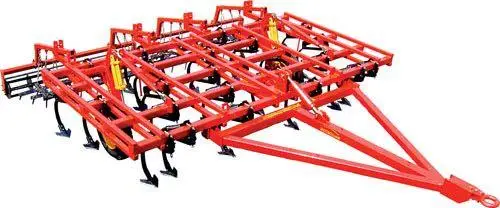
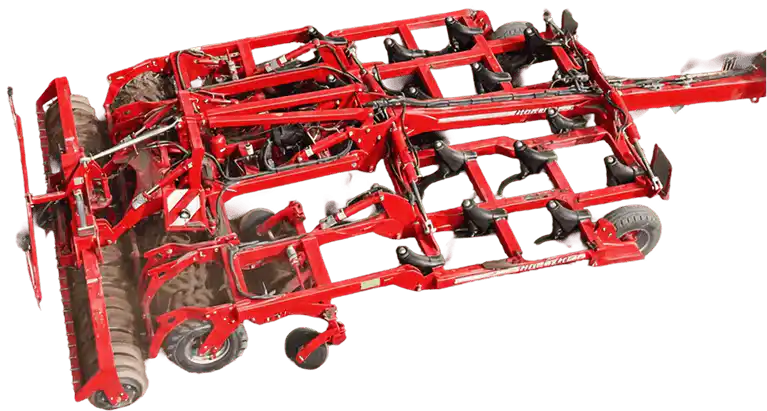
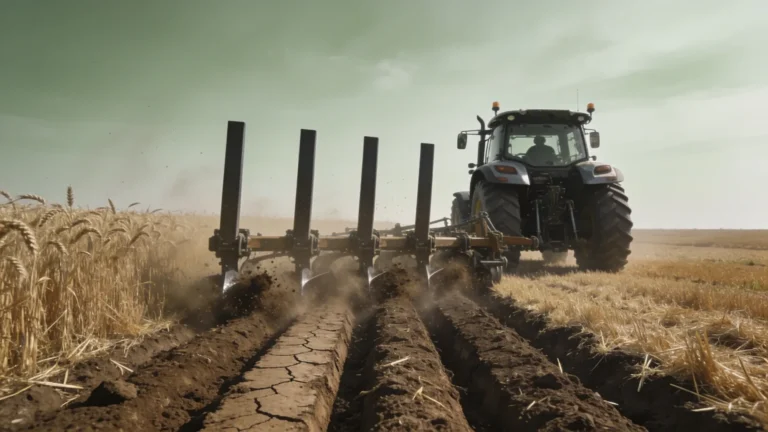
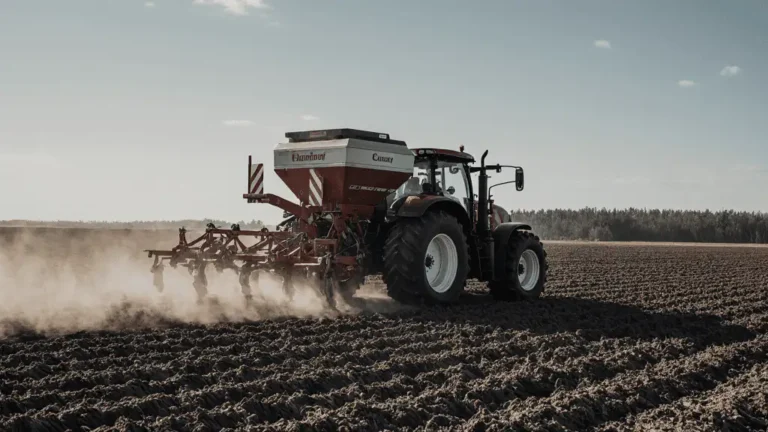
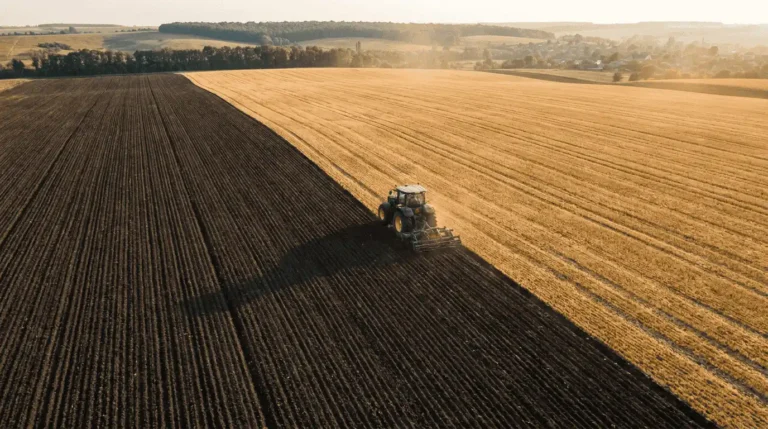
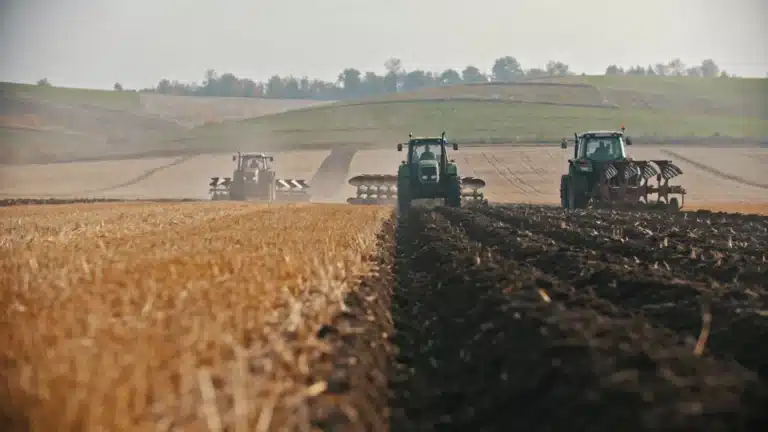
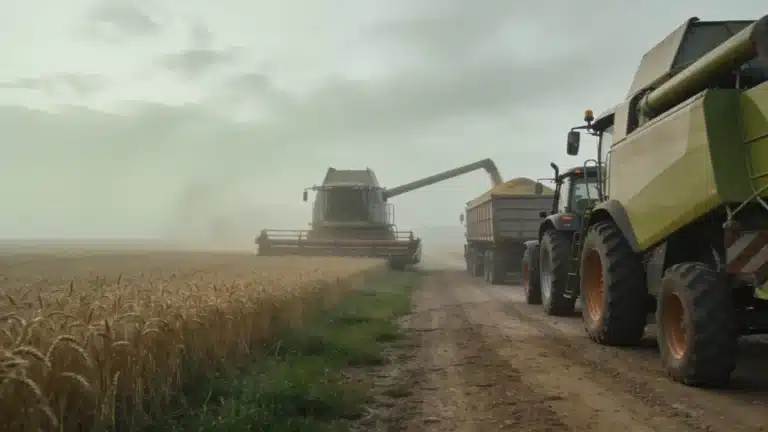
A cultivator is an efficient, multi-purpose implement used to loosen the soil, control weeds and prepare the field for sowing. A correctly chosen cultivator makes it possible to significantly optimise tillage costs and ensure high yields.
The main types of cultivators and their advantages
There are several main types of cultivators on the market, suited to different tasks and operating conditions:
Seedbed cultivator
Used for the final preparation of the soil before sowing; provides an ideal structure and an even top layer.
Inter-row cultivator
Used for weed control and soil aeration between crop rows, which helps plants develop better.
Full-width cultivator
Effective on large areas; used for deep loosening of the soil, levelling it and general preparation for sowing.
What should you look at when choosing a cultivator?
When choosing a cultivator, it’s important to consider the following factors:
Tractor power
The cultivator must be compatible with the tractor to ensure efficient work and reduce wear on the machines.
Working depth
Depends on the needs of the crop and the soil type. Depth affects the quality of loosening and weed control.
Working width of the implement
A wider cultivator lets you work large fields faster but needs more tractor power.
Equipment quality and servicing
The quality of a cultivator affects its productivity and service life. It’s important to choose models with a sturdy frame, reliable working parts and convenient adjustment systems.
In addition, pay attention to the availability of servicing and how quickly the supplier delivers spare parts.
Buy or rent a cultivator?
Renting a cultivator is an ideal solution if you want to avoid significant costs of buying and maintaining equipment and want to adapt flexibly to seasonal work. It gives you a modern implement exactly when you need it.
A correctly chosen cultivator will help you significantly increase efficiency in the field, cut costs and raise yields.
How a cultivator prepares the seedbed
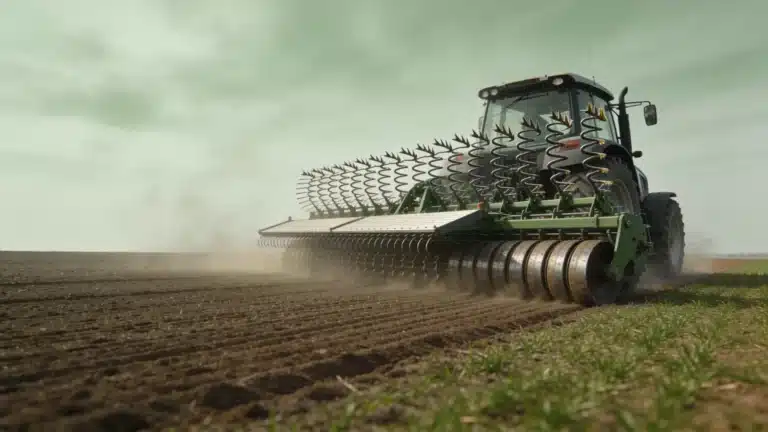
The main task of pre-sowing cultivation isn’t just to loosen the field but to create two layers: loose on top and firm at seeding depth. The seed should lie on moist, firm soil, covered by a loose layer that stops moisture from evaporating.
- Sweep runs at seeding depth and cuts weed roots
- Roller breaks up clods and lightly firms the top layer
- Loosened layer of fine crumbs — a mulch that holds moisture
- Firm seedbed — the seed lies on moist soil and germinates quickly
- Before tillage: clods, weed seedlings, an uneven surface
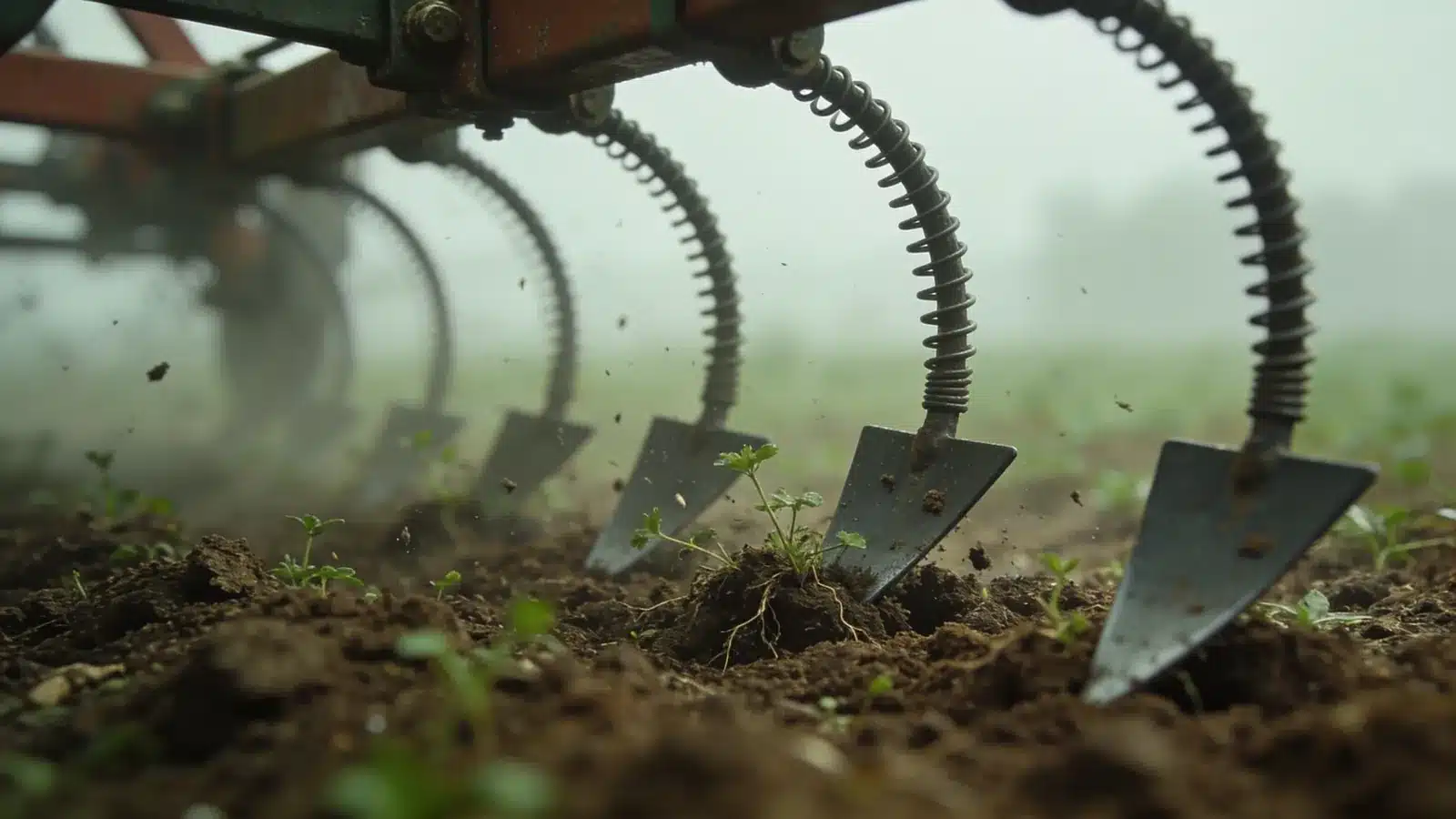
Cultivator working parts
What a cultivator can do depends on the working parts mounted on its frame. Modern seedbed implements usually combine several rows of different parts.
Wide, flat sweeps that cut weeds across the whole working width at a shallow depth.
Vibrate as they move, break up clods and clean themselves of plant residues.
A bar or teeth ahead of the rollers — they smooth ridges and fill hollows.
Break up clods and firm the top layer, forming a firm seedbed.
How deep to cultivate
The depth of pre-sowing cultivation is tied to the seeding depth of the specific crop. Choose the crop and field condition to see a guideline.
Guideline: cultivate to the seeding depth or 1–2 cm deeper. The exact depth is set in the field based on moisture and the type of seed drill.
How to tell the field is ready for cultivation
That’s where the cultivator sweeps will work.
A simple field test of whether the soil is workable.
The soil crumbles well and doesn’t stick to the sweeps.
On wet soil the cultivator will form clods and compaction. If the soil is dusty and doesn’t hold its shape, it has dried out — cultivate shallow and in one pass.
Typical mistakes during cultivation
- depth — at seeding level
- one pass with a combination implement
- cultivating across or at an angle to the ploughing
- sowing straight after cultivation
- a speed at which the sweeps don’t “float”
- cultivating deeper than needed — loss of moisture
- several passes in a row — a dried-out field
- working on wet soil — clods and compaction
- a pause of several days between cultivation and sowing
- worn sweeps — misses and uneven depth
Questions and answers
How deep should you cultivate before sowing?
To the seeding depth or 1–2 cm deeper: for cereals — 4–5 cm, for rapeseed and beet — 3–4 cm, for maize and sunflower — 6–8 cm.
How is a seedbed cultivator different from an inter-row cultivator?
A seedbed cultivator works the whole field before sowing. An inter-row cultivator works on emerged row crops — between the rows, without touching the plants.
How many times should a field be cultivated in spring?
As few as possible. One pass with a combination cultivator with rollers is often enough. Every extra pass means moisture lost from the seed zone.
Can wet soil be cultivated?
No. Wet soil smears, forms clods and gets compacted by the wheels. Wait until a clod of soil falls apart when dropped from waist height.
Can a cultivator replace disking?
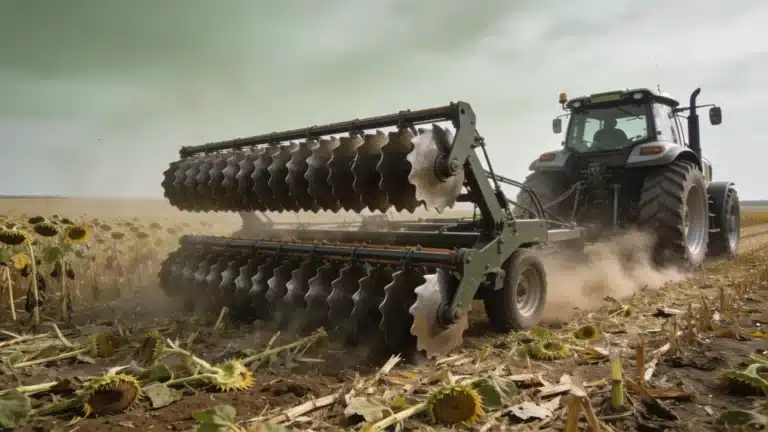
For chopping a large mass of residue — no: cultivator sweeps get clogged with stalks. After maize or sunflower, disking goes first, and the cultivator comes in just before sowing.
Köckerling Allrounder 1200 with a tractor and operator. Fuel and transport included, from 400 ha.
A comparison of the cultivator with the plough, harrow and deep loosener is in the article “Soil tillage machinery: types of implements and how to choose”.